Showing posts with label home decor. Show all posts

Friday, April 6, 2012

Tips for "Picture Perfect" Picture Hanging

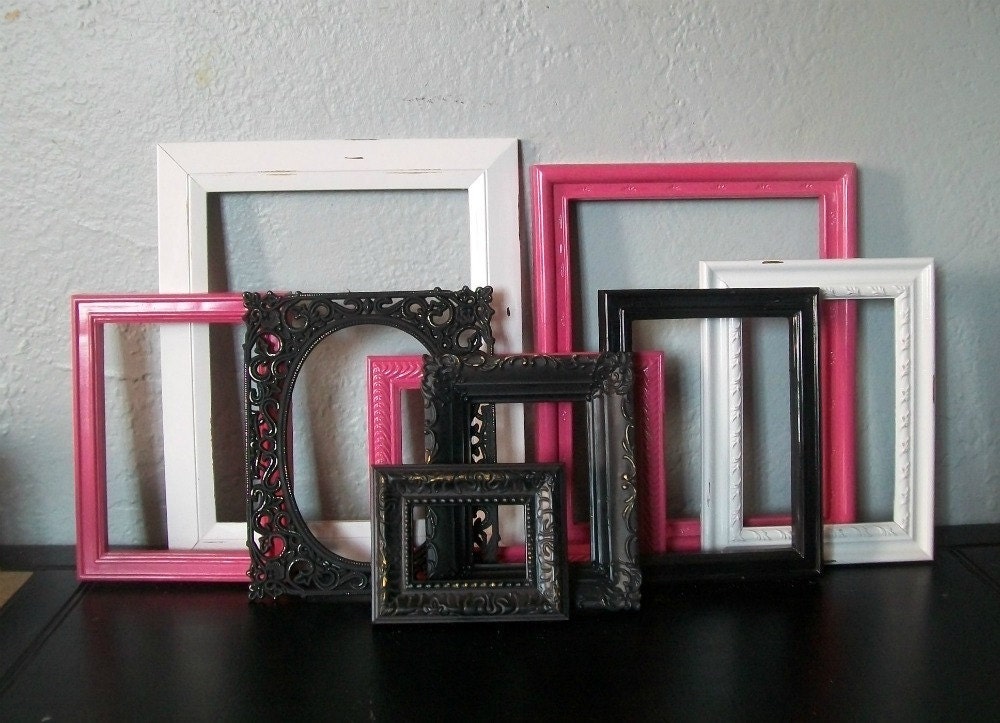
Upcycled Frames by One Vintage Rose Etsy Shop

Even though I have an interior design background, let me make one thing clear . . . my interior design teacher never held a class on hanging pictures.  All of the sudden after completing four years of college with a BA in Art, I walk into a job interview and they ask me to hang some decorative frames on a wall.  What?!  Fortunately for me, I'm very resourceful.  I took the tools provided and hung the frames on the wall.  The only comment they made was that I hung them a little high . . . lol, I had overcompensated for my shortness and they were about two inches higher than they technically should have been.


Suffice it to say, I had to learn how to hang pictures just the same as anyone else has to learn.  It takes practice, it takes attention to detail, and it takes a lot of patience.  Alright, I guess it does take an eye for design to get the placement visually appealing, but I know you can do it.

Here are some tips that I've learned along the way that make picture hanging that much easier:


Stanley Measuring Tape via Amazon.com
use a measuring tape

While this may seem elementary (my dear Watson), it isn't.  We all think we are just that good and think that if we just eyeball it we'll get the frames hung at the same height.  No.  Not really.  I'm not even that good.  And yes, I learned the hard way.  I have a wall that still haunts me (don't know why I haven't fixed it) . . .


Stanley 43-511 Level via Amazon.com
use a level

Granted, most times I really can eyeball how straight a frame is by looking at it, but there are a surprising amount of people who absolutely couldn't hang a picture straight if their lives depended on it.  Even when I think I've got the frame perfectly straight, this girl uses a level.  So save your guest's nerves some strain and get those frames leveled out using a level.


Clothes Pin Marking Tool Via The Scrap Shoppe Blog
use a special tool

Some pretty fabulous tools exist to help you get your pictures hung.  For instance, the Hang & Level.  You hang your photo on the tool, then press a little button to mark your nail spot.  Even with this product, you still need a measuring tape and a level.  This just saves you the torture of placing your picture frame up on the wall in the exact right spot, pulling it off, then missing the "mark" and hanging it crooked anyway.  Been there, done that.  Cool tool.

Alternate and cheaper option (thanks to The Scrap Shoppe Blog) . . . take a clothes pin and hammer a nail through it. Hang the picture from the nail on the clothes pin, hold the top of the clothes pin, place the picture where you want it hung, then push the frame towards the wall to leave a mark where you need to place the nail.  Voila, cheaper = smarter!


Paper Bag Trick via BHG.com
use paper bags

No paper bags are not just for groceries.  I found this awesome little trick on Pinterest (originally from Better Homes and Gardens) and am in love.  Place your frames on top of a paper bag (you may need to cut open and lay out the paper bag).  Trace the frames and cut out the shapes.  Take the frame shapes to your wall and use painters tape to attach them to the perfect spots on the wall.  Move them around as needed to find the best placement.  And yes . . . you still need a measuring tape and a level.

 P.S. BHG says to use Kraft Paper . . . so let's just call using paper bags my cheaper version of the same principle.


use your imagination

Just because you've been at tons of people's houses where they hang one piece of art on an entirely empty wall doesn't mean you need to be that boring.  Sorry boring wall folk . . . add some spice!!!  Try making a collage of frames with pictures, landscapes, and creative photography.  Create a zig zag of frames across the back of your sofa!  Whatever you choose to do, just remember to be creative and use that imaginarium aquarium . . . (brain).  Think out of the frame ;-)

Tuesday, November 15, 2011

Moving from "As Is" to "Just Right" in Your Home


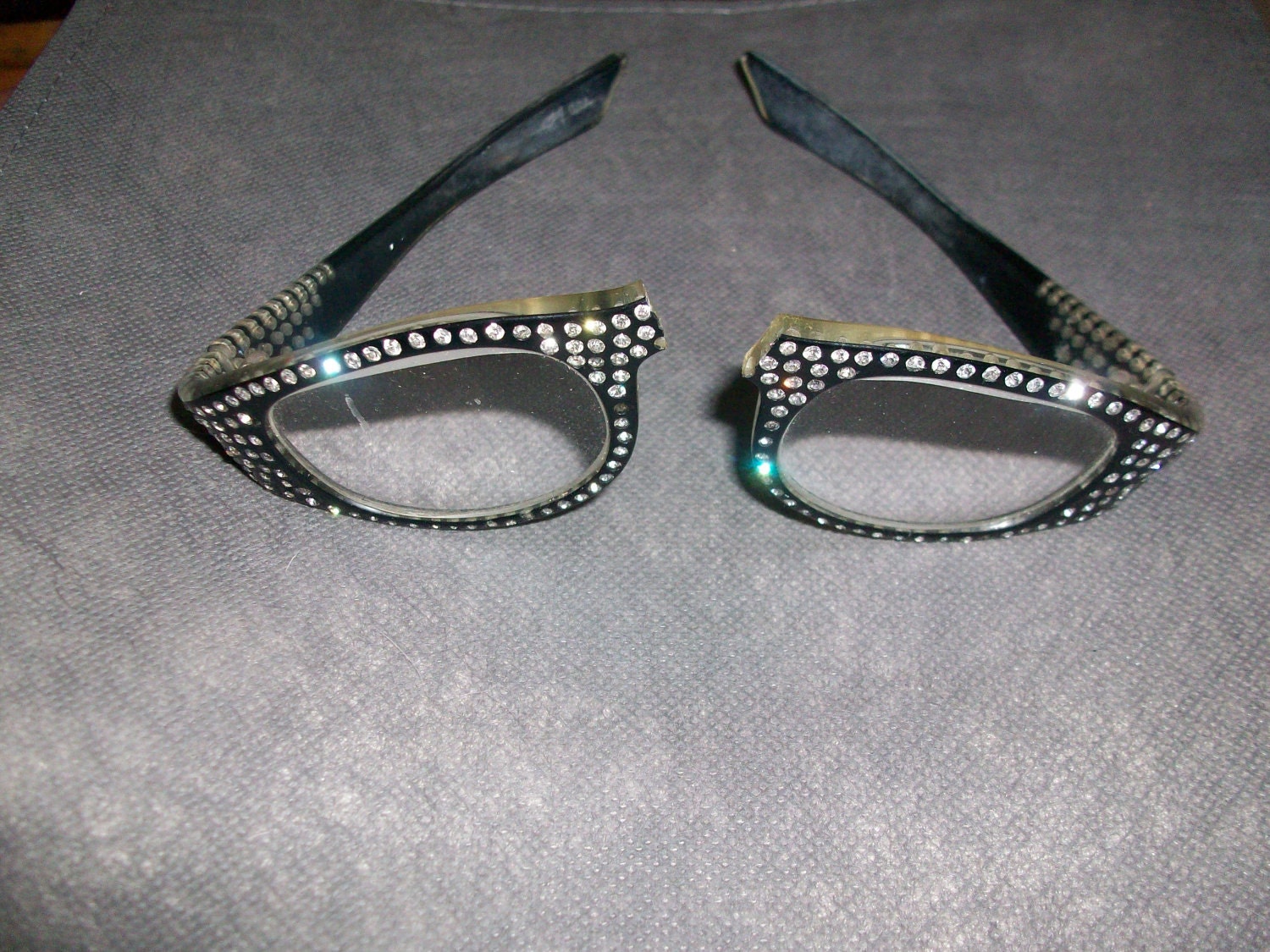
As Is Vintage Eye Glasses - Etsy

I'm calling you out (and I'm calling myself out too)! Yes, you! You are living with your house "as is" and it's about time that you move on. When you go to a second hand store, you expect to find items labeled "as is." If you buy it, you plan to fix it or better it from that condition. No one would buy a product in "as is" condition and leave it that way. But we do it with our homes! We leave our home in the "as is" condition. Enough is enough!

From Etsy Shop: http://www.etsy.com/shop/micslovespink07


From "As Is" to "Just Right"

One way to move on from having a home in the "as is" condition is by recognizing the areas of the house that are commonly ignored. Just because it's always been that way, doesn't mean that it is just right! For some, the area ignored is the garage, an extra bedroom, or a corner. Maybe all that is left alone is a pile sitting by the bed or a basket of clothes to be mended. No matter what area is left untouched in your house, it is time to pull back the curtains (or pull up the blinds, whichever the case) and get busy in your ignored area.


Moving from Room to Room

Each room has areas that are in "as is" condition. Maybe your pantry is an area that gets messy repeatedly and never gets straightened, or perhaps your laundry room has piles of lost socks sitting on the dryer. Why not upgrade your "as is" areas into being "just right" areas? Make a plan and make your life a little easier and a little more livable!


Just Right Doesn't Stay Just Right

Perhaps you have a room that was "just right" only that was four years ago! "Just right" can digress into "now wrong." You have new needs, new likes, and just as your life progresses so should your home! Keep your home moving forward and update those rooms that were perfect at one time, but need a change in order to keep up with where your life is at now.


In Our Home Sign
Maintaining It "Just Right"

Whenever you have a life change, your home may need a change as well. In order to maintain your home as a perfect dwelling, you have to recognize new needs that you have. Obviously, if you have a new child in your home, you have plenty of decor needs that will have to be thought through in order to make your home "just right." However, even a new job or a new hobby can bring about the need to update your home decor. You may need new storage for your new job in order to keep yourself organized. Or maybe your new hobby would be more relaxing if you repurposed a corner of your living room into a hobby corner. Think and rethink in order to maintain your home as it should be every day of the year!

Though we shouldn't settle for "as in" in our homes, remember the words of this plaque.  The home can look great, but what's more important is how you relate to others in your home! ;-)


From Etsy Shop: http://www.etsy.com/shop/pattisprimitives

Wednesday, October 26, 2011

Buying a New Sofa - What to Know First


What to Know Before Buying a New Sofa


As you begin your search for the right sofa, you have many factors to consider. You may think you are well informed until you reach the furniture store. Most salespeople at furniture stores are expert salespeople, not experts on furniture. You need some basic truths about sofa selection in order to get the right sofa for your room.


Almost every sofa can come in handy for a period of time. If you have a low budget and have an immediate need, you might choose a sofa that will last you for a short period of time. Be sure though, that you are willing to buy the lesser sofa in order to meet your immediate needs. Mediocre sofas will last you for at the most two years before the foam inside begins to sag and the fabric begins to fade. Is this worth even a cent of your money?
Instead, remember that you are making an investment in a sofa. The money you are putting into this sofa must be a sound investment, or you may lose more money in the long run by having to replace a substandard sofa. If you think of your sofa selection in this light, you will be able to make the best decision for your home. The four things to consider when choosing a sofa are your budget, the preferred quality, the desired appearance, and your room size.

Your budget is of great importance when it comes to the purchase of your sofa. While you should not waste your money on a mediocre sofa, you should also research the range of cost for a good sofa. If you decide that you are ready to put a large investment into your sofa, you are basically guaranteed to have a good quality sofa, with a custom appearance, and have it be the perfect size. If you want to save a little money, you can decide to sacrifice either quality, appearance, or size. The main idea is to know which one you are sacrificing by knowing the product. Most times, if you are getting too much of deal on a sofa, you can be sure that you are sacrificing either quality, appearance, or size. You have to choose your budget and know which factors are most important to you and your home.


When observing quality, you must know that quality is a variable word. What means quality to one store, will mean absolute rubbish to another. You must know about your product in order to define quality for yourself. Being aware of these following features will help you to ask the right questions when choosing a sofa.


Fabric Selection
When considering fabric selection, do they tell you what type of fabric is on the piece of furniture? If no information is provided on the fabric, what does this tell you about the quality of the fabric? If information is provided, is the type of fabric going to clean easily? Also, will it hold up after being sat on every day for four years? When a fabric has been tested for double rubs, the higher the amount of double rubs, the better the durability of the fabric.

Inside the Sofa
What type of foam is used in the backing and in the seating? Unless the foam is high density foam, it may sag within a year of purchase. If there are springs in the cushions, are they eight way hand tied? Springs are better than foam, but springs that are not tied well may become loose and cause an uncomfortable bulge in your sofa. The eight way hand tied springs are the best in sofa cushion padding.
Production
Where was the product manufactured? Overseas production can be less monitored for quality and are more likely to have manufacturing defects. Do they truly care about the product they are making? Some soft line goods are actually put together by hand not by machines. Do they stand by their products? The better companies producing sofas will actually guarantee the product against manufacturing defects and will replace or repair damaged products.

Each of these factors is important to consider when determining the quality of your sofa. Just asking informed questions of your salesperson will help them know that you are well informed and are looking for a sound investment. Some stores you will enter may have salespeople who cannot even answer the most elementary questions. You can then make the best decision and not give these second rate establishments your business. Mainly, you want to decide in advance what you believe to be quality and stand by that decision.


Another part of the sofa selection process is determining the desired appearance for your sofa. You have to decide whether you have a specific look for your room that you would like to attain, and decide whether you want to pay the money to get that look. Many furniture stores have furniture that comes in only one fabric, so you might find the fabric you want, but not the style. Or you could find the perfect style sofa, and it is in a drab fabric. You can get a neutral sofa and add accent pillows if you are trying to save money. Another option when choosing the appearance of your sofa is to go custom. Custom furniture stores will work with you to help you choose the fabric and style of your sofa. Though this option is likely to increase the price of the sofa, you may want to pay more to get the exact color, pattern, and style of sofa that you desire.


Finally, you must know what size sofa that you need before you start shopping. Salespeople will sell you the "perfect" sofa with "incredible quality" and "exactly" in your price range, and you get it back to your house and it looks like a giant compared to the other pieces in your room. Start by measuring the available floor space. Then, always consider the other pieces of furniture in the room. If you have delicate existing furniture and you come home with a monster sofa, your whole room will feel unbalanced. Also, if you have very substantial pieces of furniture and you come home with a pretty delicate sofa, the sofa may be dwarfed and seem to be out of place. Be sure to decide on the size of your sofa and not be sold on something too large or too small.


Finding the Perfect Sofa


Always know your budget, the quality you desire, the desired appearance, and your room size when you go shopping for your perfect sofa. Give yourself a range on your budget, and decide not to sacrifice quality. Find a good balance for the desired appearance and how much you would like to spend, and be creative. Finally, never forget your room size or the balance that you need to create the most attractive and functional living space. Happy shopping!


Friday, October 21, 2011

Repurposed Home Decor


Examples of Repurposed Home Decor from Etsy


We all have them.  Home decor items that no longer serve their purpose, think Ariel with a drinking glass.  The desk that was supposed to help the family pay the bills that instead is a host to papers of all sorts in assorted stacks and piles.  The wreath that looked wonderful for a few months and then lost a few shades to the sun.  The question isn't whether we have them, but what to do with all these items that take up space and no longer serve their original purpose.

Repurposing means taking an item and redefining what it is used for either by using it in a different manner or giving it an overhaul.  This either takes loads of creativity or a nudge in the right direction.  These days repurposed items are hot commodities.  Why have the same old objects when you can have new products created with the old ones?!  Let your mind expand and your imagination run wild while we look through some creatively repurposed items found on Etsy.


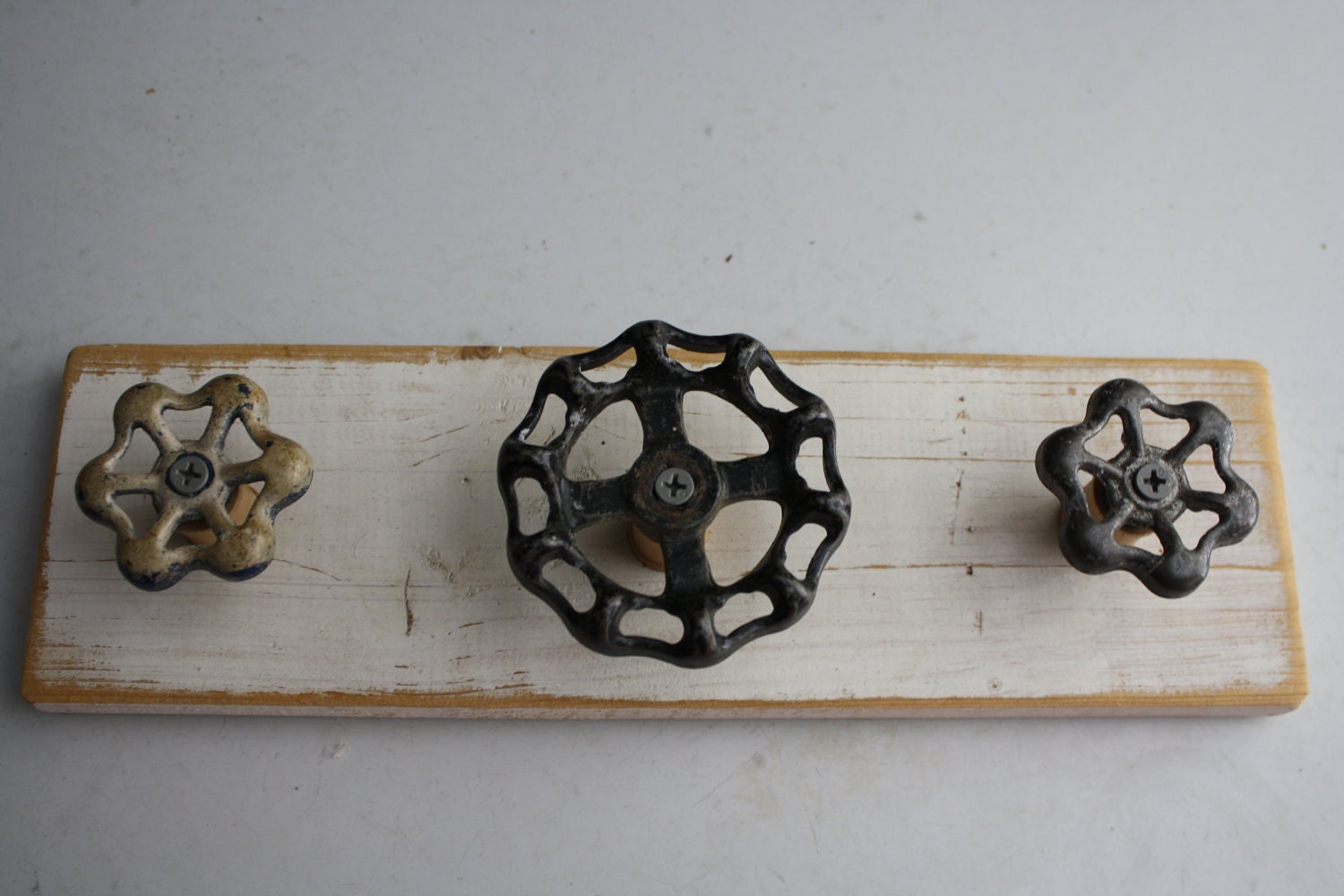
repurposed spigot towel rack

Here before you is a work of art, a towel rack composed of spigots.  Since I personally cannot resist placing my towels on dresser knobs, what could possibly be better than instead placing my towel on a wonderful spigot?

Etsy Shop: http://www.etsy.com/shop/ElijahsAttic


map wreath

You see an old atlas where another might see a stash of charm.  Why throw away what you can use?  This wreath was made with old maps, and you can do the same with an old atlas or even a book that has outlived its usefulness.  Rather than seeing these things as one more item taking up room, consider repurposing them as craft materials!

Etsy Shop: http://www.etsy.com/shop/Houseof3


repurposed spice rack vanity organizer

If you upgrade your spice rack, don't get rid of the old one.  You can use it in your bedroom or bathroom!  Repurpose your spice rack as a vanity organizer.  Hang earrings on the front for easy access and place nail polish, perfume bottles, and make up in the spice holder.  Excellent way to store your beauty items and an excellent reuse of old home decor!

Etsy Shop: http://www.etsy.com/shop/packratdiva


suitcase nightstand

When is a suitcase no longer a suitcase?  When it's a table!  This vintage suitcase has been repurposed as a nightstand.  Not only can you dream of traveling beside such a classy piece of furniture, but you can also pack your bags . . . or your nightstand with plenty of books.  Storage and style!

Etsy Shop: http://www.etsy.com/shop/MrsRekamepip

Repurposed Home Decor = endless options


The options are endless for repurposing home decor.  An old coffee table can be painted to serve as a children's train table.  An old vanity can be sawed in half to create to seperate bedside tables.  Now, before you get ready to throw an household item away ask yourself if you can reinvent the item through repurposing!

Wednesday, October 12, 2011

Analyzing Your Space: Elements in the Living Room


Elements in Your Living Room - Is your space for you?


If only a pair of glasses existed that was labeled “objective glasses” and once and for all we could see our space, our home clearly as others see it.  Let’s face it; our home is one of the hardest spaces in which to be objective.  Day after day, we see the mail piling up, we witness our children filling the floor with puzzles, baby doll clothes, and Thomas trains and we observe the sofa cushions that are beginning to sag with age, but within the grand scheme of things they all seem par for the course.  We could remedy these situations, but we learn to live with them and accept them.  However, through objective questioning, we can all temporarily borrow a pair of “objective glasses” and analyze our home spaces to better our day to day lives.

What is in your floor?
Working from the ground up, what items tend to hit your floor faster than anything else?  What stains appear quicker?  What items are taking up the most space?  Each of these objective questions helps you to realize the basics of what is literally in your floor.

Where do you sit?
Living rooms are meant for comfortable relaxation.  Is your seating comfortable?  Do you have enough seating?  How old is the seating in your living room?  Does everything fit well in your room?  If you cannot sit well, then the living room is not serving its function.

What do you do in the living room?
The living room is a room with many purposes and many activities occur within its borders.  What happens in your living room?  Are there any activities, such as a lively game of kick ball, that are not supposed to happen in this room?  Are you able to do everything in your living room that you would like to be able to do?  Does something need to change to allow you and your family to use the room more fully?  Just because something has always been a certain way, does not mean that it needs to continue.  Objective questions allow you to reevaluate the normal way of doing things and to find superior ways of living life.

What doesn’t belong?
What in your living room should not be taking up space?  What furniture pieces are simply filling the room and not serving a purpose?  What decorative items no longer make the room feel better, but instead more crowded?  What items are in the room for the sake of an activity that is no longer completed in the living room?  Consider this the editing stage.  Just like extra words need to be chopped out of a document, so extra decor and furniture need to be taken from a room to provide room for more decorative and more beneficial pieces.

Reaching Your . . . Objective
If you have an objective to be objective, then you have to be willing to put away feelings of attachment to home decor and furniture that have been a part of the life of the family for some time.  Home decor and furniture are there to serve a purpose; contrary to popular belief, these items are not extended family!  The moment these items stop serving their purpose, ties need to be severed.  Even if it means parting with furniture that has been in the household since college dorm days or since having your first child, you future life has no space for furniture and decor that no longer serve a function.

I hope you have enjoyed borrowing a pair of “objective glasses” while reading this blog.  I love sharing about interior design in the hopes that your home life will be bettered even in the slightest.  Feel free to submit a question for my “Tuesday: Ask an Interior Designer” blog!  This is a great way to receive objective home advice for a small question, but if you have need of more extensive design advice check out my Interior Design site www.designinglife.weebly.com to schedule a Skype session. 

Tuesday, September 20, 2011

Interior Design Advice for Tuesday

Interior Design Profit

Question:

How do interior designers make their profit?  Will I pay the massive fees to use them, then high prices for the furniture they select?  I can't afford that kind of service!

Answer:

Different types of interior designers choose to make money in different ways.  There are mainly three ways an interior designer can make a profit (and a living!).  Each way has a different benefit for the designer and for the client.

Service Fees
The first way an interior designer can make a profit is by charging directly for her services.  She can charge upfront to assist with color section, furniture selection, and even drawing a floor plan.  This is often the most clear-cut way to charge in that both the interior designer and the client understand the cost involved.  Due to the profit being determined ahead of time, this can be a huge benefit for the client.  The interior designer is not trying to sell her own furniture and decor at a mark up and she will be more than happy to align to the client’s budget.  In addition, some designers have connections.  For the interior designer who does consultations and provides a buying service, that designer can actually purchase goods at cost and pass the savings to the client.  However, some interior designers do not charge for their services, but instead sell the client on their furniture and goods.

Mark-Up
An interior designer has the opportunity to develop accounts with furniture and home decor companies.  While this has a huge cost upfront, the interior designer who has already set up these accounts can make her money through selling these goods at a mark-up.  Instead of charging for her services, she will work with a client to develop their needs and then sell the client furniture and home decor from the companies with which she has accounts.  This can save the client from an upfront service fee, but the client is now unaware the interior designer's profit.  Most interior designers mark-up goods at least double if not triple the wholesale cost.  However, many designers sell specialty items not available in furniture and home decor stores.  Even with the mark-up, some interior designers are able to keep their products at a lower cost than retail stores.  In this way, a client benefits from the unique furniture and home decor and still saves money, while the interior designer makes a profit by cutting out the middle man.  Depending on the integrity of your interior designer, this can be a win-win situation.

Commission
Not all interior designers are fortunate enough to operate independently.  Many designers are employed by furniture companies, home decor stores, and even in specialty stores that sell one genre of product.  These interior designers are often extremely knowledgeable regarding the company for which they work.  If an interior designer is working at Bassett Furniture that interior designer is your best asset for finding what you need at that store.  However, most furniture stores also employ sales personnel who are not interior designers and they may or may not have the experience you need.  So be aware of the credentials of the sales person who is helping you at these furniture stores.

Interior designers make a profit through commission when working in a retail setting.  Each interior designer will have a different motivation when helping a client.  Some may really love doing design and will help a client find the home decor items that fulfill the client's needs.  However, in commission situations, many designers and sales people are less concerned with the clients needs and more interested in the bottom line, their commission.  The customer is in a very hard situation when working with an interior designer who works through commission.  The client must constantly gauge how much advice is to better the client's life and how much of the advice is meant to increase the dollar value of the purchase.  If caution is used, an interior designer working on commission can still be a wonderful asset when purchasing furniture and home decor in a retail setting.

The best method is not always apparent when choosing an interior designer.  The client must decide the pros and cons for his or her particular situation, budget, and needs.  Below, I will include three charts listing the pros and cons of service fees, mark-ups, and commissions.


Service Fees
Pros
Cons
Upfront
Cost is evident and at times expensive
Not selling products
May only work through consultation
Goal is to provide service to client

May sell products at cost to client


Mark-Up
Pros
Cons
Possible savings from retail
True cost of service hidden
Unique furniture and decor
Selling to make money
Goal is to provide furniture and decor to client


Commission
Pros
Cons
Knowledge of specific products
Selling to make money
Often free
True cost of service hidden
Goal is to make commission by helping client


While these are the three main ways that interior designers make their profits, I must warn you that some are not so honest.  Be aware that some designers are more than happy to combine the three main ways in order to heighten their profit at the client’s expense.  For instance, a designer could charge a set service fee and offer to purchase the client’s furniture and home decor.  If the designer has wholesale accounts with home decor companies, the designer has two choices.  He can extend much of his wholesale benefit to the client, or he can mark the decor up to retail cost.  If the designer chooses to fully mark-up the decor that he gets at wholesale and he charges a service fee, then he is actually double charging his client.  Unfortunately, many designers have no qualms about this practice.

Saving Money
The interior designer who only does consultations and does not have wholesale accounts is able to offer their services at a lower price than those who hold wholesale accounts and operate as an intermediary between the client and other professionals such as painters, upholsterers, drapery specialists, and contractors.  The client who seeks the services of an interior designer has to decide how much they want the interior designer to do and how much they can do themselves.  The designer who consults is able to give information to the clients and provide knowledgeable advice, but the clients must hire the professionals needed to complete tasks or actually do the work themselves.  If a client hires a full service interior designer that designer can often do everything or bring in those who can.

Hopefully this allows you, the client, into the world of the interior designer and allows you to make a more informed decision.  You know your budget and your needs, and now you can understand how an interior designer can fit into your budget and provide for your home decor needs.

Next week’s Ask the Interior Designer question is still open!  Feel free to post a question through this blog, the Designing Life Facebook, or through e-mail.

Related Posts Plugin for WordPress, Blogger...